
Social platforms have moved beyond their traditional role as channels for awareness and engagement. They now support product discovery, evaluation, conversation, checkout, and post-purchase interaction directly within the social feeds. For businesses, that shift changes how social media should be approached. Content is no longer limited to attracting attention. It can also shorten the path from interest to purchase.
- What Is Social Commerce?
- 10 Social Commerce Trends to Watch in 2026
- 1. Short-Form Video Will Drive More Product Discovery
- 2. Creator Partnerships Will Become More Specialized
- 3. Livestream Shopping Will Become More Strategic
- 4. Social Search Will Influence Product Discovery
- 5. Social Commerce Will Become More Personalized
- 6. User-Generated Content Will Influence Purchase Decisions
- 7. Social Commerce Will Connect More Closely With Customer Service
- 8. Artificial Intelligence Will Influence Social Shopping Experiences
- 9. Social Commerce Analytics Will Move Beyond Vanity Metrics
- 10. Social Commerce Will Become Part of a Wider Digital Strategy
- What These Social Commerce Trends Mean for Businesses
- Turn Social Activity Into Business Opportunities
The rise of social commerce trends reflects a broader change in consumer behavior. With the global social commerce market forecast to generate $585.88 billion in 2026 and reach $928.65 billion by 2030, the shift is becoming increasingly relevant for businesses. Examining how customers interact with products and content across social platforms can help businesses build more connected commerce strategies.
What Is Social Commerce?
Social commerce involves selling products or services through social media platforms. It combines social interaction with commercial activity, allowing customers to discover products, assess their value, interact with brands, and make purchases within the same digital environment.
Several components shape an effective social commerce strategy.
- Product Discovery – Gives customers a reason to stop scrolling. Social platforms allow businesses to introduce products through content that aligns with audience interests and browsing behavior.
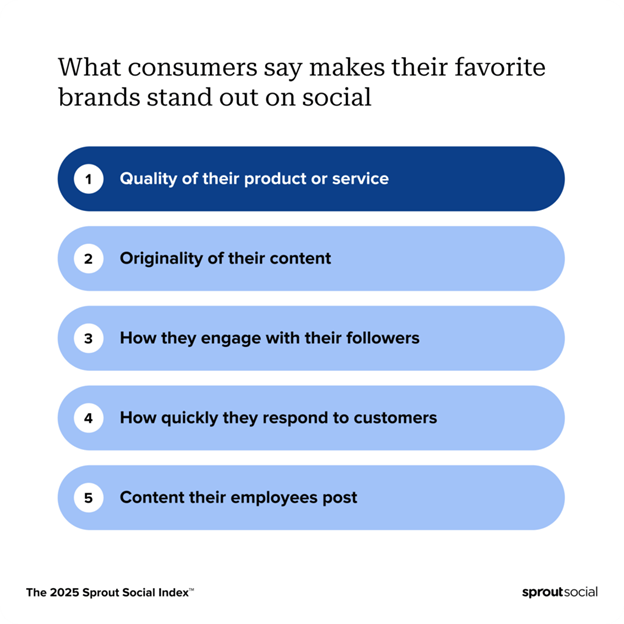
Image from Sprout Social
- Social Proof – Helps reduce uncertainty. Feedback from other customers and credible voices can help audiences assess whether a product is worth considering.
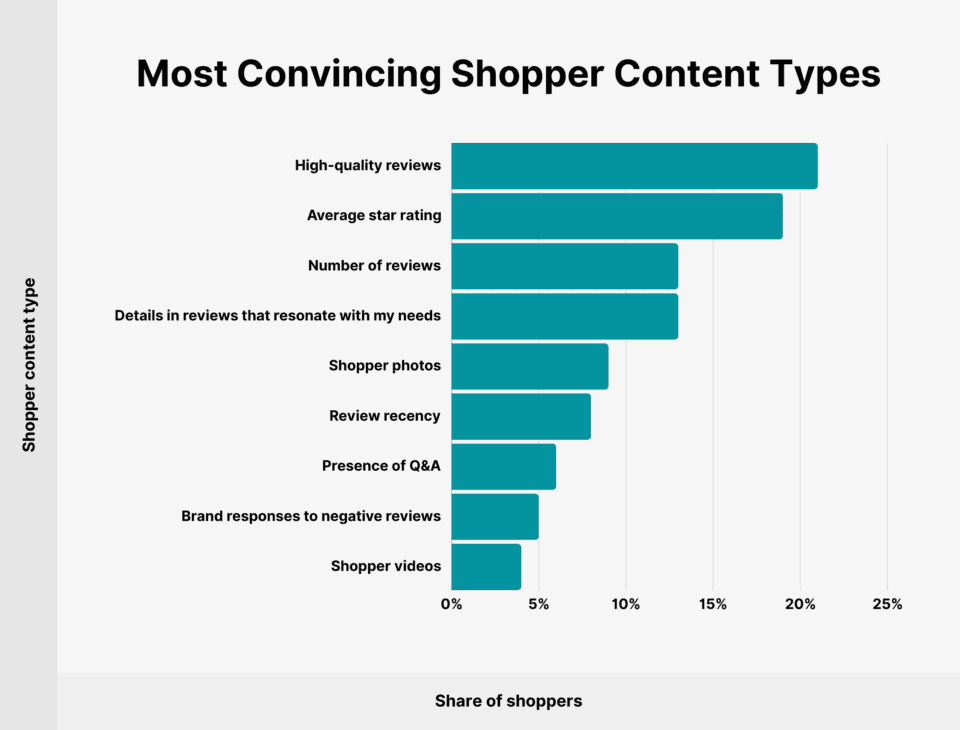
Image from Backlinko
- Shoppable Experiences – Simplify the buying process. Social commerce shortens the path between discovering an item and taking action, helping customers move from consideration to conversion.
- Community Interaction – Makes commerce more conversational. Comments, discussions, and direct exchanges let customers ask questions and share experiences.
10 Social Commerce Trends to Watch in 2026
Staying competitive in social commerce requires more than keeping up with new platform features. Businesses also need to understand how customer behavior is influencing the way products are discovered, evaluated, and purchased through social channels.
The following trends highlight where businesses should direct their attention as social commerce develops.
1. Short-Form Video Will Drive More Product Discovery
Short-form video has become a major discovery format because products can be demonstrated within seconds. For example, a skincare brand can show an application process, while clothing retailers can demonstrate how an item fits. Food businesses can use the same format to turn preparation into visual content.
Short-form videos’ value comes from showing products in context. Rather than filling feeds with repeated promotional messages, businesses can develop videos around specific customer needs and demonstrate how products fit into everyday situations.
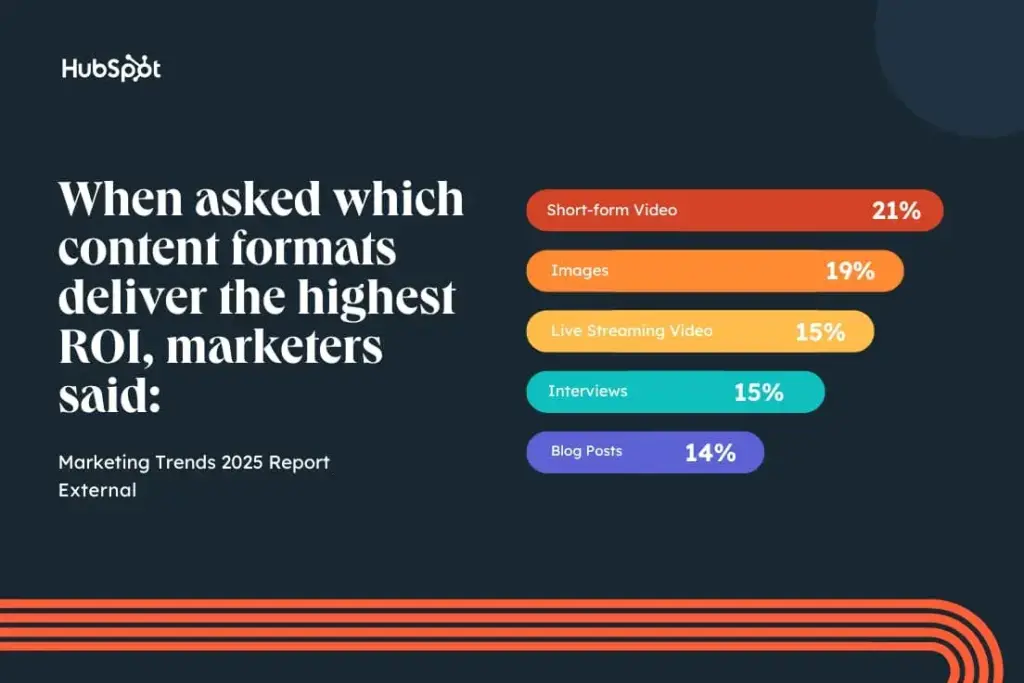
Image from HubSpot
2. Creator Partnerships Will Become More Specialized
Creator marketing is moving beyond celebrity endorsements. Smaller creators often have highly focused audiences built around interests, professions, locations, or lifestyles.
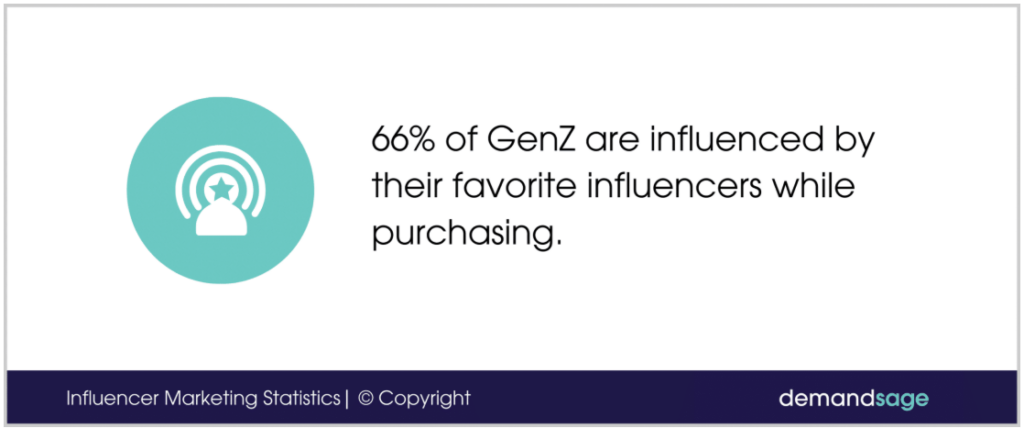
Image from Demandsage
Businesses can benefit from partnerships that match a creator’s audience with a specific customer segment. Strong collaborations also give creators enough creative freedom to present products in a way that fits their established content style and feels natural to their audience.
3. Livestream Shopping Will Become More Strategic
Livestream shopping combines product demonstrations with real-time interaction. Viewers can watch a product being used, ask questions, respond to promotions, and receive recommendations during the same session. According to Adobe, 37% of surveyed consumers had bought something during or soon after a livestream, and 80% of livestream shoppers said these events helped them find new brands or products.
These findings give businesses more reason to approach livestreams as planned sales events rather than informal broadcasts. Product sequencing, host preparation, audience questions, limited offers, and post-event follow-up can all influence performance.
4. Social Search Will Influence Product Discovery
Consumers increasingly use social platforms to find recommendations, reviews, tutorials, restaurants, products, and services. As more discovery happens within social platforms, businesses need to make their content easier to find through social search.
Searchable captions, descriptive profiles, relevant keywords, location references, and descriptive video titles can improve content discoverability among people searching for specific products or services. Local SEO can also complement social discovery for businesses that depend on nearby customers.
5. Social Commerce Will Become More Personalized
Personalization is moving beyond simply placing a customer’s name in an email. Social platforms can use engagement signals, browsing behavior, content preferences, and previous interactions to influence what users see.
Businesses should organize content around audience segments instead of treating every follower as having identical interests. Product recommendations can become more relevant when content reflects specific needs and buying contexts.
6. User-Generated Content Will Influence Purchase Decisions
Customers often trust experiences from other customers because user-generated content can feel less scripted than conventional advertising. Reviews, unboxing videos, product demonstrations, and customer stories can answer questions that polished brand content may overlook.
Businesses can create clear opportunities for customers to share their experiences. Permission-based reposting, branded prompts, community features, and customer spotlights can turn positive customer experiences into useful commercial content.
7. Social Commerce Will Connect More Closely With Customer Service
Customers may discover a product through a video and then ask about sizing, delivery, pricing, or availability in the comments. That interaction can influence not only the person asking the question but also others reading the conversation.
Brands, therefore, need responsive social customer service. Timely and informative answers can give potential buyers the information they need to make a purchase decision, while unanswered questions may create hesitation.
8. Artificial Intelligence Will Influence Social Shopping Experiences
AI is becoming part of content creation, recommendations, customer support, and search experiences. Businesses can use AI tools to analyze audience behavior, identify content opportunities, generate content variations, and support faster responses.
Moreover, AI is also influencing how consumers research products. Twenty-two percent (22%) of consumers use AI tools to explore products, compared with 19% who turn to product review websites. As consumers use Google’s AI Mode alongside social platforms and traditional search to gather information, businesses should therefore provide clear product information, useful context, consistent branding, and relevant details that can support visibility across these discovery environments.
9. Social Commerce Analytics Will Move Beyond Vanity Metrics
Follower counts and likes provide limited insight into commercial performance. Businesses need to connect social activity with measurable outcomes such as product views, add-to-cart actions, conversions, assisted sales, repeat purchases, and customer acquisition costs.
Better measurement also makes it easier to compare content formats. A video with modest engagement may generate more sales than a highly shared post. Social commerce best practices should include measurement frameworks that connect content performance with actual business objectives.
10. Social Commerce Will Become Part of a Wider Digital Strategy
Social commerce should not operate as an isolated marketing activity. Product pages, email campaigns, paid advertising, search optimization, creator partnerships, customer service, and social content can all support the same customer journey.
For businesses working with an agency or consultant, digital marketing consulting can help connect these channels into a more coordinated strategy. The goal is not to place every marketing activity on social media. It is to determine where social commerce fits within the broader path from discovery to purchase.
What These Social Commerce Trends Mean for Businesses
The most valuable social media trends in 2026 are not simply those attracting the highest engagement. Instead, their relevance comes from how well they align with customer behavior, product demand, sales objectives, and available resources. Looking at where target audiences discover products and which content formats influence their decisions gives businesses a clearer direction when choosing tactics.
Performance data should shape the next stage of the strategy. Content that generates product interest, qualified traffic, or conversions provides a stronger basis for further investment than content driven solely by likes or views. Businesses should also consider how platform developments may affect their approach, as new shopping features can change how products are presented, discovered, and purchased. Monitoring social commerce updates across major platforms can help businesses identify changes worth testing and assess their relevance to specific audiences.
Businesses can then evaluate social commerce applications based on audience preferences, platform activity, and conversion performance. These considerations provide a practical framework for deciding whether social commerce fits a particular business. Companies with audiences that already discover, research, and discuss products through social platforms may have a stronger reason to integrate commerce into their content strategy. The decision should come from customer behavior and measurable business outcomes rather than the popularity of a particular trend.
Turn Social Activity Into Business Opportunities
Online shopping used to begin with a search, a product page, or an e-commerce store. Social platforms are changing that journey by bringing products closer to the content, creators, and conversations that influence what people buy. For businesses, this creates new opportunities to reach potential customers during product discovery and make social interactions part of the path to purchase.
I’ve worked with businesses adapting their digital strategies as customer behavior changes. My approach focuses on practical ways to connect social commerce with content, SEO, and broader marketing goals without chasing every new platform feature. If your business is ready to build a stronger presence where customers are already discovering products, I can help you with it.
Hire me today and let’s find the right strategy for your business.
References:
https://sproutsocial.com/insights/social-commerce
https://anchanto.com/en-ph/social-commerce-the-winning-combination-of-social-media-and-ecommerce/
https://elementor.com/blog/social-commerce
https://www.salesforce.com/ap/commerce/social
https://searchengineland.com/social-search-visibility-evolution-471685