
Holiday promotions can generate a significant share of annual revenue, but higher consumer demand also brings stronger competition for advertising space. Businesses often increase their budgets, launch seasonal creatives, and introduce limited-time offers to attract buyers. However, without careful planning, these efforts can lead to expensive clicks, low conversion rates, and disappointing returns.
Successful holiday PPC and social campaigns require more than festive visuals and appealing promotions. Businesses need to make strategic advertising decisions that reflect their sales goals and help them get the most from their marketing budgets. Recognizing holiday PPC mistakes can help businesses address these issues before they affect campaign performance.
The following sections cover common campaign pitfalls and ways to address them before they affect holiday advertising results.
1. Starting Campaigns Without a Seasonal Plan
Launching holiday ads at the last minute leaves little time to test messaging, evaluate audience behavior, or fix technical issues. Businesses may also miss early shopping periods when consumers research gifts, compare prices, and prepare purchase lists.
A stronger approach begins with a seasonal calendar that accounts for major shopping events, shipping deadlines, promotional launches, and post-holiday sales. According to Sprout Social, 50% of respondents consider October and November as the ideal time for holiday campaigns. Businesses should also identify shoppers who are researching gift ideas, comparing deals, and making urgent purchases, as each group responds to different messages and offers.
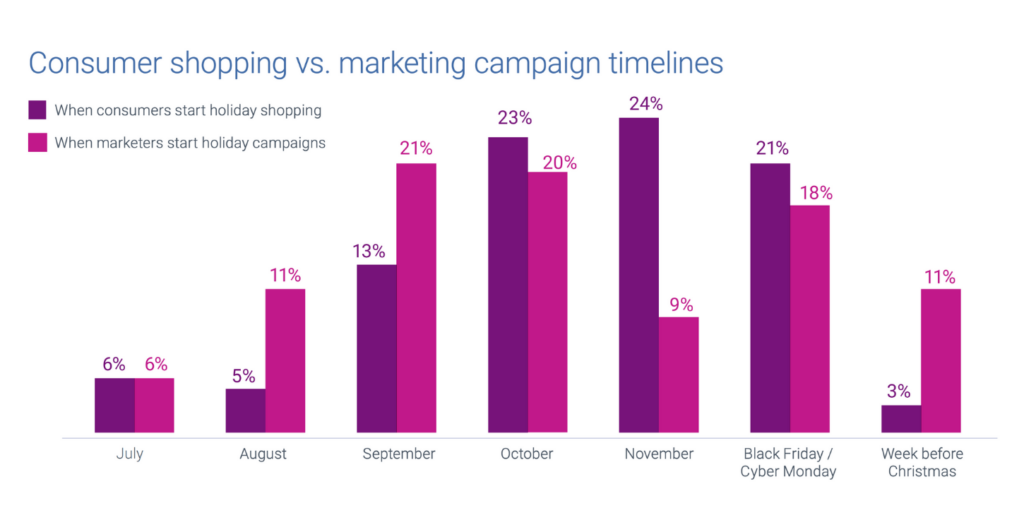
Image from Experian
Publishing seasonal content early through holiday SEO in September can help businesses prepare for peak demand. Paid campaigns can then direct users to relevant product pages, gift guides, or promotional landing pages as shopping interest grows.
2. Allocating Budgets Without Reviewing Performance
Holiday advertising costs can rise as competing businesses target the same audiences. Increasing campaign budgets without reviewing results can quickly deplete available funds. High impressions and click-through rates may look promising, but neither guarantees profitable sales.
Before setting seasonal budgets, review historical campaign data to identify which products generated revenue, which audiences converted, and which search terms attracted qualified visitors. Use these findings to distribute spending according to demand and business priorities.
Reserve part of the budget for testing new audiences, creative variations, and promotional messages. Once campaigns are running, monitor cost per acquisition, conversion rate, return on ad spend, and average order value. If an ad attracts clicks but few purchases, investigate its landing page, offer, and targeting before increasing spending.
Regular performance reviews help marketers focus on campaigns that generate revenue rather than activity alone.
3. Using the Same Creative Across Every Channel
A promotional message that works in paid search may not perform equally well on social platforms. Search users often have specific needs, while social audiences may discover products as they browse. Reusing identical copy and visuals fails to account for how users interact with each platform. This difference in discovery habit is reflected in consumer behavior, with 51% of Gen Z relying on social media to find brands and new products, compared with 45% who use search engines.
Effective holiday PPC and social campaigns should adapt messages to audience intent and platform formats.
- Search ads should address relevant queries, communicate offers clearly, and direct users to appropriate landing pages.
- Social ads can feature product demonstrations, gift recommendations, customer testimonials, or short videos to build interest.
Platform-specific messaging should also reflect different buying stages. Early-season ads might highlight product benefits, while promotions near shipping cutoffs can emphasize delivery availability or discounts.
Maintain consistent branding and offer details across channels, but tailor each advertisement to its placement. This keeps the campaign cohesive without making every ad feel identical to the others.
4. Targeting Audiences Too Broadly
Broad targeting can increase reach, but it can also direct ad spending toward users whose needs do not align with the advertised products. Holiday shoppers have different budgets, preferences, and purchase timelines.
Refine audience selection using first-party data, purchase history, product interests, and website interactions. For search campaigns, review keyword intent and add negative keywords to exclude irrelevant queries. For instance, a retailer selling premium gifts might exclude searches focused on free products or unrelated bargain categories.
Social advertisers can test separate audiences for previous customers, recent website visitors, and new prospects. Existing purchasers may respond better to complementary product recommendations than repeated ads for items they have already bought.
However, avoid excessive segmentation. Splitting a limited budget across too many small audiences can restrict delivery and complicate performance analysis. Start with relevant audience groups and adjust targeting as reliable data becomes available.
5. Sending Ad Traffic to Unprepared Landing Pages
An effective advertisement cannot compensate for a poor destination page. Shoppers may abandon purchases when advertised discounts are missing, shipping costs appear unexpectedly, or checkout requires too many steps. In fact, 25% of online shoppers leave their carts when a website requires account creation, making a lengthy checkout process a potential barrier to completing purchases.
Before launching holiday PPC and social campaigns, review landing pages on mobile and desktop. Confirm that promotional terms match the ads, product availability is accurate, and delivery estimates reflect actual fulfillment capacity. Make prices, shipping information, return policies, and discount conditions easy to find.
Page speed also matters. Slow-loading product pages can frustrate shoppers who are comparing several retailers. Test checkout forms, payment methods, tracking links, and promotional codes before increasing traffic.
Mobile usability deserves particular attention, with 91% of consumers shopping online through smartphones. Clear calls to action, readable product details, and a simple checkout process can prevent avoidable drop-offs.
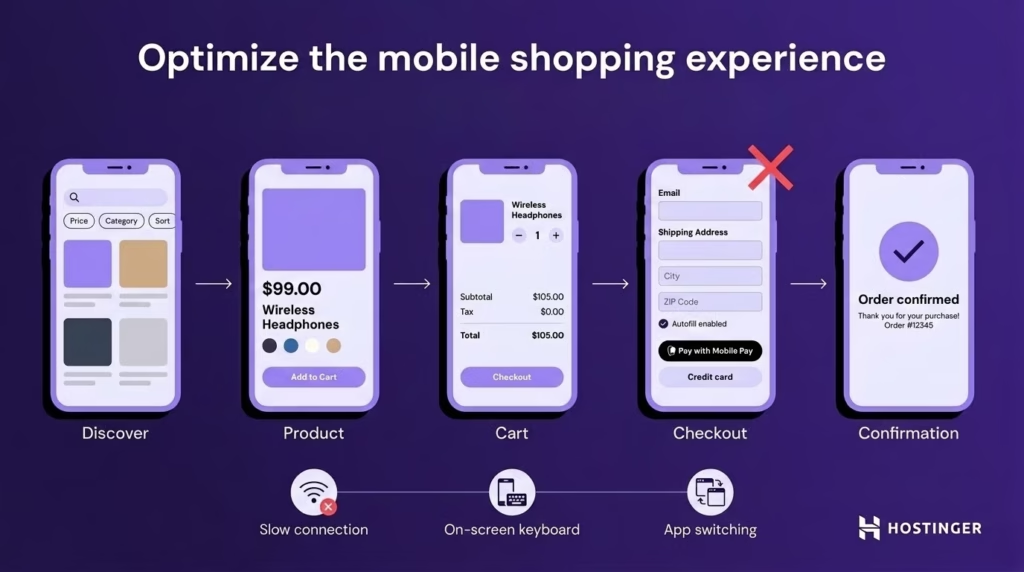
Image from Hostinger
6. Ignoring the Difference Between Social Engagement and Sales
Likes, comments, shares, and video views indicate interest, but they do not automatically generate purchases. Social media can inspire holiday shopping decisions, with 46% of respondents identifying it as a top source for gift inspiration. However, a campaign can attract plenty of engagement without driving sales if the audience has little intention of buying.
Avoid holiday social media ad mistakes by defining campaign objectives before choosing creative formats or bidding strategies. Brand awareness campaigns should track relevant reach and engagement, while conversion-focused campaigns need metrics tied to purchases, qualified leads, or revenue.
Social commerce can shorten the path from product discovery to purchase by letting users explore products and shop through supported platform features. Before promoting these features, verify product listings, pricing, inventory, and checkout functionality. Product tags and shopping links should direct users to the correct items instead of a generic homepage.
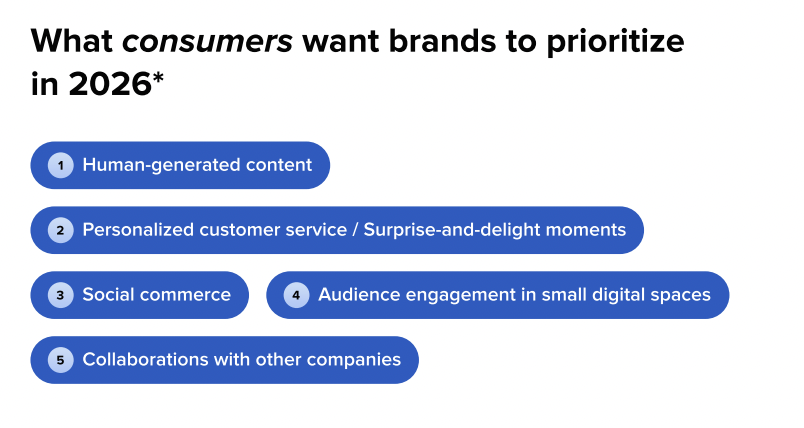
Image from Sprout Social
Attribution also matters when evaluating results. Customers might discover products through social ads, research them through search, and return through another channel to complete purchases. Reviewing assisted conversions alongside direct results provides a more complete view of how different channels contribute to campaign performance.
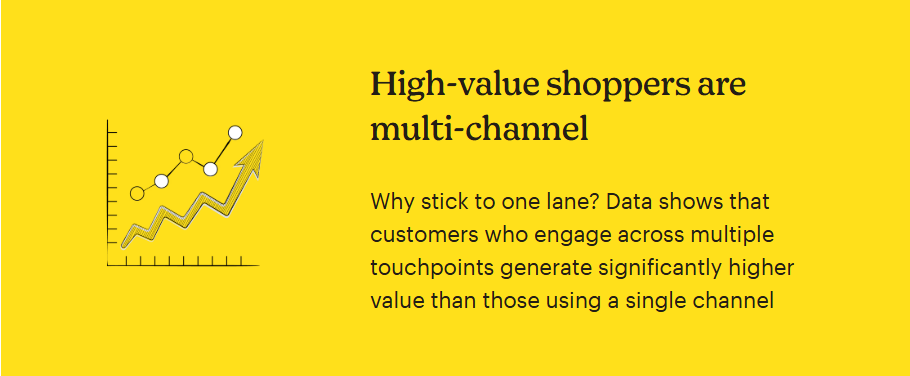
Image from Mailchimp
7. Stopping Campaigns Without Reviewing the Results
Holiday advertising should not end with the final sale. Skipping post-campaign analysis means missing lessons that could improve future seasonal planning.
Compare campaign outcomes with the objectives established before launch. Examine which promotions resonated with customers, which products attracted the most interest, and where shoppers abandoned their purchases. Review customer feedback and sales patterns to identify issues that advertising metrics alone might not reveal.
Consider the full customer journey when assessing performance. Some shoppers need several interactions before purchasing, while others return after promotions end. Post-holiday campaigns can also support exchanges, complementary purchases, loyalty initiatives, and remarketing to interested visitors.
Documenting successful offers, campaign challenges, and changes that improved performance can strengthen the holiday paid media strategy for the following season. Applying these findings helps businesses refine ad messaging, allocate budgets more effectively, and improve campaign planning.
Avoid Costly Holiday Campaign Mistakes With a Smarter Strategy
The holiday season gives businesses a chance to connect with shoppers and strengthen their market position during a busy sales period. Effective holiday PPC and social campaigns help businesses approach seasonal advertising with a clear strategy and a stronger focus on their commercial priorities.
If you want expert guidance in improving your holiday campaigns, I can help you develop strategies that align your advertising efforts with your business goals. By combining data-driven campaign management with full SEO services, you can strengthen your online visibility, reach relevant audiences, and make better use of your marketing budget throughout the holiday season.
Hire me to refine your advertising strategy, avoid preventable campaign mistakes, and turn holiday demand into better business results.
References:
https://www.searchenginejournal.com/holiday-seo-pitfalls-to-avoid/532750